
Custom Interiors for Critical Missions and VIP Travel
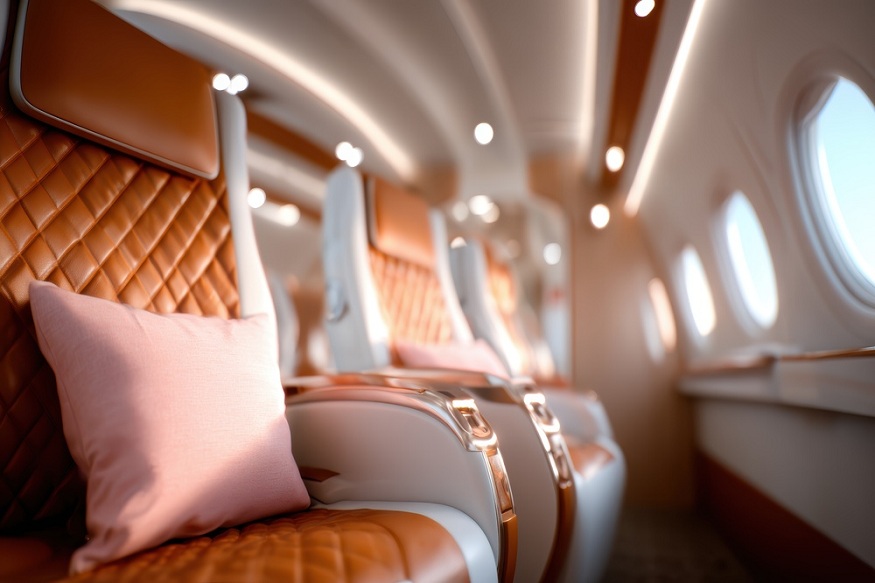
Government planes do weird jobs. One day they’re hauling diplomats to peace talks. Next day? The same plane becomes a flying hospital. Or a command post. Or something classified nobody talks about. The folks who design these interiors face challenges that would make regular aircraft designers quit. You can’t just slap some seats in and call it done. These birds need to work perfectly when everything else goes sideways.
Design Challenges That Push Boundaries
Mission aircraft are essentially flying Swiss Army knives. Take medical evacuation setups. You’ve got a tube maybe eight feet wide, and somehow you need to cram in surgical equipment, monitoring gear, and enough supplies to keep multiple patients alive for twelve hours. Oh, and it all needs to work during turbulence that would close a regular hospital. The math seems impossible until you watch these designers work their magic. They shave ounces everywhere. That wall panel? Hollow aluminum honeycomb that weighs nothing but could stop a bullet. The floor that holds a half-ton medical bed? Carbon fiber is thinner than plywood.
The modular approach changes everything. Rails run along floors and walls like train tracks. Equipment slides in, clicks down, locks tight. Need a conference room? Twenty minutes. Want an operating theater? Give them an hour. The same space becomes whatever the mission demands. It’s like expensive, high-stakes Legos where mistakes aren’t allowed.
Technology Integration Drives Function
You’ll immediately notice the absence of something upon entering the aircraft. Where did they hide all the gear? Behind that innocent-looking panel sits enough communication equipment to run a small TV station. Under that table? Servers processing encrypted data streams. The PAC seating from manufacturers like LifePort looks normal until you spot the medical monitoring displays tucked into armrests, tracking heart rates and oxygen levels of everyone on board.
These planes use a lot of electricity. Generators run constantly. Batteries backup batteries. If the main system dies, the backup fires up before anyone notices. If that fails, another layer kicks in. Heat becomes the enemy fast. Pack that much electronics into a small space and things cook. Cooling systems work overtime, channeling air through hidden ducts. Desert operations push everything harder. Arctic missions present unique challenges: equipment failure, screen fogging, and rapid battery drain. They install heaters, defrosters, and insulation fit for a penguin.
Safety Standards Beyond Commercial Requirements
Commercial planes follow rules. Mission aircraft follow those rules, then add fifty more. Fire breaks out? Three different systems attack it. Cabin loses pressure? Oxygen masks drop, plus portable units, plus backup reserves that last twice as long as regulations require.
Crashes happen. Not often, but often enough that designers plan for them obsessively. Every seat mount could probably hold a truck. Medical gear stays put through impacts that would total a car. Radios keep broadcasting after hits that would flatten your smartphone. They test these systems by basically beating the hell out of them. Shake tables that simulate crashes. Temperature chambers that go from Alaska cold to Death Valley hot in minutes. Electronics get blasted with interference that would fry your laptop. If it survives testing, it might be tough enough for real missions.
Conclusion
These aren’t just fancy private planes with government paint jobs. They’re tools built for jobs nobody else can handle. These aircraft respond when disasters occur, when medical emergencies happen far away, and when secure diplomacy is needed. The designers and engineers address issues few are aware of when creating these interiors. Tomorrow promises fresh challenges, threats, and tasks. However, someone is already working on how to create a suitable aircraft interior.
 The Ultimate Caribbean Companion: Why the Pershing GTX80 is Ideal for the Bahamas
  The Art of the Grand Host: Entertaining on an Unrivaled Scale Aboard a Turkish Superyacht
  Ibiza Yacht Retreat: Rejuvenate Your Mind, Body, and Soul
  Best Places to Stay in Bangalore below 15000
  Legal Considerations for Traveling and Living Abroad
  When and why should travel Dubai from CHENNAI
  Custom Interiors for Critical Missions and VIP Travel
  Unforgettable treks Begin at Everest EBC Trek, Island Peak Climbing, Cho La Pass Trek